
COVID-19 and the Latest Technology: How Web Applications Are Shaping the New Life as Normal
Introduction
The COVID-19 pandemic stands as one of the most disruptive global events in modern history. Despite the many challenges it posed, it significantly accelerated the adoption of digital technologies—particularly web applications. From remote work and virtual healthcare to online education and e-commerce, web-based tools have become indispensable in navigating the post-COVID era.
The Role of Web Applications During the COVID-19 Crisis
Web applications played a crucial role in responding to the pandemic, enabling individuals, businesses, and governments to adapt quickly to new realities.
Telehealth Platforms: As hospitals became overwhelmed and physical visits posed risks, telemedicine platforms such as Teladoc and Practo facilitated remote consultations, maintaining access to healthcare while reducing potential exposure.
Remote Work Tools: Tools like RustDesk, Zoom, Microsoft Teams and Slack became essential for collaboration and communication. Businesses rapidly transitioned to digital operations, enabling employees to work effectively from home. We as Digital been working for the years as Home Based to ensure the continuity of our services.
Education Technology: Educational institutions adopted platforms like Google Classroom, Moodle, and Blackboard to maintain learning continuity. These tools offered virtual classrooms, digital assignments, and online assessments.
E-commerce & Delivery Apps: With physical stores closed, platforms such as Amazon, Instacart, Talabat, taw9eel, Keeta and Swiggy ensured access to essential goods and services through contactless delivery.
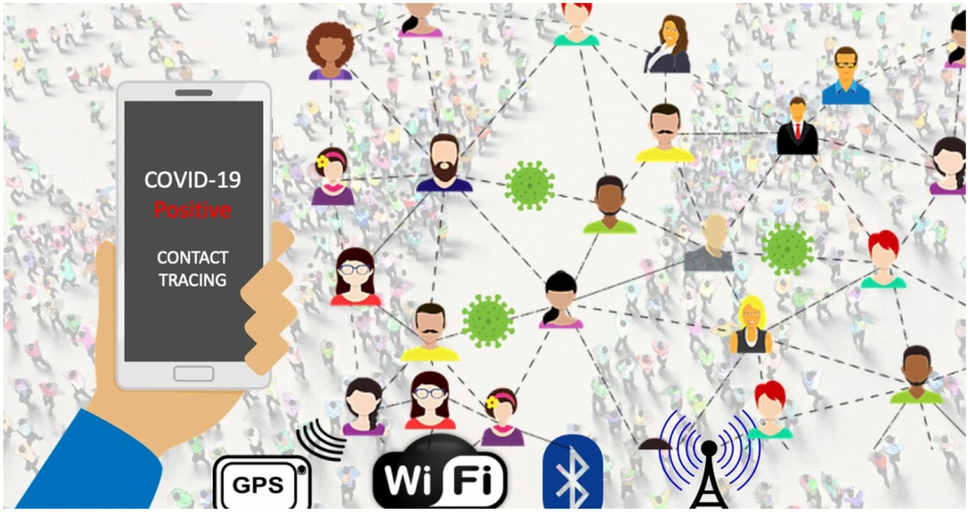
Government & Health Apps: Apps like Kuwait's Saheel, India's Aarogya Setup and the UK's NHS COVID-19 app supported contact tracing, vaccine scheduling, and real-time public health updates.
Key Technologies Powering These Web Applications
Several underlying technologies enabled web applications to rise to the occasion:
Cloud Computing: Provided scalable storage and processing capabilities, supporting the sudden surge in online activity.
Artificial Intelligence & Machine Learning: Enabled features such as chatbots, tailored user experiences, and predictive analytics for virus spread and healthcare planning.
Progressive Web Apps (PWAs): Offered mobile-like experiences through web browsers, even in low-connectivity environments. We as Digital Edge has invented many ways to bring technology and mobile togehter thru Mobile APP where performance and data become a vital key of information for human.
Blockchain: Used for the secure and tamper-proof management of vaccination records and digital health certificates.
Big Data Analytics: Allowed organizations and governments to track infection rates, allocate resources, and formulate policy responses based on real-time data.
Post-Pandemic Innovations That Are Here to Stay
Many digital innovations developed at the Digital Edge Solutions during the pandemic have proven their long-term value and continue to shape the future:
Hybrid Work Environments: Cloud-based ERP / CRM dashboards and collaboration tools support flexible work arrangements.
Virtual Healthcare Ecosystems: Remote diagnostics and integration with wearable health devices are enhancing telemedicine.
AI-Powered Chatbots: Widely adopted for 24/7 multilingual customer support and user engagement.
Online Mental Health Services: Platforms like BetterHelp and Headspace have expanded access to mental wellness resources.
Challenges and Ongoing Concerns
Despite the benefits, the widespread use of web applications presents several challenges:
Data Privacy: Increased digital activity has raised concerns over the security and misuse of personal data.
The Digital Divide: Unequal access to the internet and digital devices continues to impact underserved communities.
Cybersecurity Threats: A sharp rise in phishing scams, ransomware, and other cyberattacks has highlighted the need for stronger security measures.
Tech Fatigue: Prolonged screen time and virtual interactions have contributed to burnout and reduced well-being.
Looking Ahead: The Future of Web Applications
Web applications will continue to evolve and shape the post-COVID world in transformative ways:
Smart Cities & IoT Integration: Real-time data from connected devices will support better urban planning and health monitoring.
Touchless Technologies: Voice commands, facial recognition, and QR codes will enable safer, contactless interactions.
Web3 and Decentralized Platforms: A new internet model is emerging that empowers users with greater control over their data and identity.
Personalized User Experiences: AI will continue to drive hyper-personalized interfaces tailored to individual needs and behaviors.
Conclusion
The COVID-19 pandemic reshaped how we live, work, and interact with the world. Web applications, once considered conveniences, have become foundational to modern society. As technology continues to advance, these digital tools will play a central role in building a more resilient, inclusive, and connected future.hello world